
Skip to content

Female dietitianPrivate and confidential

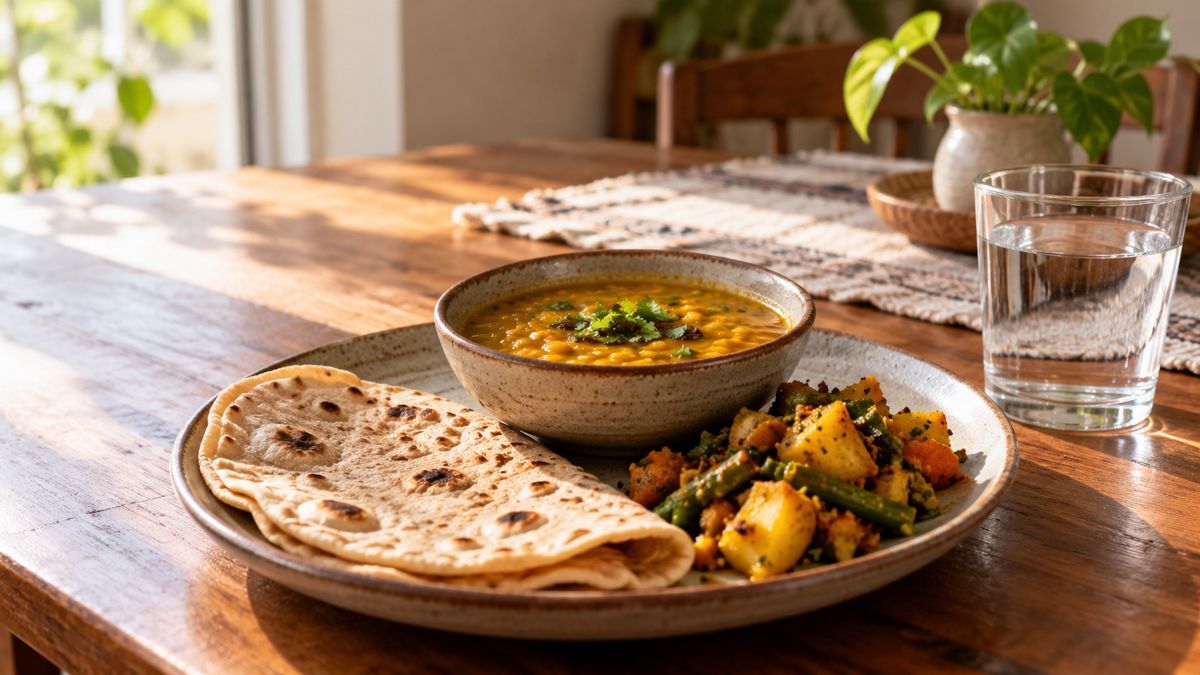
Plate of daal, roti and vegetables with a glass of water on a table

PCOS weight loss program

A PCOS weight loss diet plan that keeps roti and chai in your day

A private consultation with Dietitian Sadia Ahmad, then a diet and lifestyle plan built around your own reports and your family's food. No crash diets and no starvation.

  • Female dietitian, private consultation
  • Plan built around Pakistani home food
  • Follow-up on WhatsApp between consultations

Why can weight be harder to manage with PCOS?

Many women with PCOS find that weight gathers around the middle and is slow to shift, even when they eat less than the people around them. PCOS is often linked with insulin resistance, which can make the body store fat more easily and make hunger harder to settle. Not every woman with PCOS has this, and weight is only one part of the condition.

Other things pull in the same direction. Poor sleep and constant stress can raise hunger and cravings. Long gaps between meals often end in one very large meal or a run of biscuits with chai. Low muscle and little movement make it harder for the body to use sugar well. None of this is a failure of willpower. It is a good reason to look at your own reports and your own routine instead of copying a plan from social media.

Start with the plate, not with a list of banned foods

The simplest way to build a PCOS weight loss meal is to think in three parts. This is a general guide, and your own plan will change it to suit your reports, your health and your family food.

  • About half the plate: vegetables and salad. Sabzi, bhindi, tori, karela, palak, cabbage, cucumber, tomato and onion salad. Cook them with a modest amount of oil.
  • About a quarter: protein. Daal, chana, lobia, rajma, eggs, chicken, fish, dahi or paneer.
  • About a quarter: roti or rice. For example one or two medium rotis, or a cup of cooked rice, eaten after the protein and vegetables rather than before.

You do not have to give up roti or rice. The change is mostly in the balance: the same meal with more vegetables and protein next to the carbohydrate usually keeps you full for longer and avoids the sharp rise and fall that can leave you hungry again an hour later.

Swaps that keep it home food

Small swaps are easier to keep up than a new menu. Pick one or two to start and add more over a few weeks.

  • Sweet chai: reduce the sugar a little each week instead of stopping overnight, and have it with a handful of roasted chana or nuts rather than biscuits or rusk.
  • Fruit juice and cold drinks: water, lemon water without sugar, plain lassi or whole fruit instead.
  • Fried snacks such as samosa, pakora and namkeen: keep them for occasions, and use roasted chana, makhana, a boiled egg or yoghurt on ordinary days.
  • Paratha: plain roti with a small amount of ghee or oil is often an easy swap, and a paratha can still come now and then.
  • Mithai and desserts: a small portion after a proper meal sits better than sweets on an empty stomach.
  • Rice: a smaller portion with daal and vegetables rather than a full plate on its own.

Mangoes, dates and other fruit are not forbidden. Many women do well with fruit eaten after a meal, or with some protein, instead of alone on an empty stomach. Portions depend on your own situation.

This is only an example of the pattern, not a prescription. Your own plan from a consultation will use your routine, your reports and what your family cooks.

  • Breakfast: an egg omelette with vegetables and one roti, or besan chilla with yoghurt, or oats cooked in milk with nuts.
  • Mid-morning, if hungry: an apple or a guava with a few almonds, or a glass of plain lassi.
  • Lunch: daal or chicken salan with a large portion of sabzi, salad, and one or two rotis or a small cup of rice.
  • Evening: chai with less sugar and roasted chana, a boiled egg or a handful of nuts.
  • Dinner: a lighter version of lunch, with fish, chicken, eggs or daal, vegetables and a smaller portion of roti, finished a couple of hours before sleep where you can.

If your family eats late, or you fast on certain days, tell us in the consultation and the plan can be shaped around that instead of fighting it.

Protein and fibre at every meal

Protein and fibre are the two things most women with PCOS are told to add, because together they slow digestion and help you feel satisfied. In a Pakistani kitchen that usually means daal, chana, lobia and rajma, eggs, chicken, fish, yoghurt and dahi, plus sabzi, salad, whole wheat roti and fruit with its skin where suitable.

If you are vegetarian, the plan leans on daal, chana, beans, yoghurt, paneer, eggs if you eat them, nuts and seeds. If you have kidney disease or another condition that limits protein, please speak to your doctor first, and tell us so the plan can take it into account.

Movement that fits a real week

Exercise helps the body respond better to insulin, and it also helps mood, sleep and energy. You do not need a gym. A brisk walk of 20 to 30 minutes on most days is a good start, and two short sessions a week of simple strength work, such as squats, wall push-ups and carrying shopping, can help build muscle that uses sugar for fuel.

Start where you are and add a little at a time. Ten minutes done most days is worth more than an hour you dread and then skip. If you have joint pain, heart or blood pressure problems, or have not exercised for a long time, check with your own doctor before increasing activity.

Sleep, stress and tracking progress

Sleep and stress are part of the plan, not an extra. Going to bed at a similar time, keeping screens away for a short time before sleep and finding a few minutes of quiet each day can all make cravings easier to manage.

The scale is only one measure and it moves up and down. Weigh yourself at most once a week, at the same time of day, and also notice energy, how clothes fit, hunger between meals, mood and how regular your cycle is. A simple cycle diary on your phone is useful to bring to a consultation.

A plan that only works at home will not last. Before a wedding or Eid gathering, eat a normal meal earlier in the day instead of arriving very hungry, fill your plate with salad and protein first, and enjoy a small portion of the dishes you really want. One heavy meal does not undo weeks of habits.

If you fast in Ramadan or at other times, ask your own doctor first, especially if you take medicines or have diabetes. At sehri and iftar the same ideas apply: protein and fibre, water between the two, and dates and sweets in small amounts rather than a large plate.

How the consultation and the programs work

Dietitian Sadia Ahmad has an MPhil in Human Nutrition and Dietetics and an interest in women's hormonal health. In a consultation by video, audio call or WhatsApp she goes through your history, daily routine and family meals. Where relevant she may ask to see recent blood tests and a pelvic ultrasound, for example fasting insulin, lipid profile, HbA1c, thyroid tests and DHEA-S.

You receive a personal diet and lifestyle plan. The 60-day and 90-day programs add follow-up on WhatsApp, with changes to the plan along the way. Your plan depends on your history, tests, health conditions and family food. You can ask on WhatsApp for the qualification details, or read the dietitian profile. Fees are on the pricing page.

What can you honestly expect?

Diet, activity, sleep and stress changes can help many women with weight, cycles and symptoms. In some women, even a modest change in weight is linked with more regular cycles, but this varies from person to person. Results differ for every woman, and no result can be promised, including how much weight changes or how quickly. PCOS is a long-term condition that is managed over time.

If you have diabetes, kidney disease, are pregnant, or have ever had an eating disorder, please talk to your doctor before changing how you eat.

What this program is and is not

This page is information and support. It is not a diagnosis and it does not replace an in-person examination, your own doctor's advice or your tests. Sadia Ahmad is a dietitian, not a medical doctor. Any decision about medicines, including metformin, insulin or birth control pills, belongs to the doctor who is treating you.

When to see a doctor in person: very heavy or prolonged bleeding, severe pelvic pain, signs of pregnancy complications, fainting, or feeling very unwell need a doctor or emergency care in person, not a message on WhatsApp. Rapid unexplained weight change is also worth mentioning to your doctor.

  • Female dietitian
  • Private and confidential
  • Home-food meal plans
  • Report-based advice

How it works

  1. Step 1

    Share a few details

    Fill in the short form or message us on WhatsApp.

  2. Step 2

    Consultation

    Sadia reviews your history and any reports with you.

  3. Step 3

    Your plan

    You get a personal diet and lifestyle plan and follow-up.

Request a consultation

Share a few details and the dietitian's desk will message you on WhatsApp.

No obligation.

Include the country code, for example +1, +44 or +92. We reply to you on WhatsApp.

Questions about best pcos doctor in Pakistan

Do I have to stop eating roti and rice?

No. Most women are not asked to remove roti or rice. The usual change is to look at portion size and to eat them with daal, vegetables, eggs or yoghurt so the meal is more balanced. Your own plan depends on your history, tests and the food your family cooks.

How much weight will I lose?

It is not possible to say, and we do not give numbers. Results differ for every woman and depend on your body, your health conditions, your routine and how easy the plan is to follow. The aim is steady, sustainable changes in weight, energy and cycles, not a fixed target.

Do I need to exercise to lose weight with PCOS?

Food changes alone can help some women, but movement usually makes the plan work better and helps with energy, mood and sleep. You do not need a gym: a daily walk and a little simple strength work is a good start. Build up slowly, and check with your own doctor first if you have a health condition.

Is intermittent fasting or a keto diet needed for PCOS?

No. Neither is required, and the evidence for PCOS is limited or mixed. Very strict plans are hard to keep up and are not suitable for everyone, especially with diabetes, pregnancy plans or a history of disordered eating. We prefer regular, balanced meals you can keep eating. Ask your own doctor before fasting.

Can I follow the plan if I take medicines?

Often yes, but any medicine for PCOS, diabetes, thyroid or another condition stays in the hands of your treating doctor. Sadia will not ask you to stop or change a medicine. Please tell her what you take so the food advice fits your situation.

Do I need blood tests before booking?

No. You can book first. If you already have recent tests or an ultrasound, bring them, because the dietitian may ask to review them. If tests would help, she will tell you which ones to discuss with your own doctor, and you can do them at a lab near you.

Will cinnamon or fenugreek help my PCOS?

The evidence is limited or mixed, so we treat them as food choices, not medicine. If you take medicines for diabetes or any other condition, ask your doctor before adding them in larger amounts than you would normally cook with.

Ready to talk to the dietitian?

Fill in the short form or message us on WhatsApp and we will arrange a private consultation.

Chat on WhatsApp