
Skip to content

Female dietitianPrivate and confidential

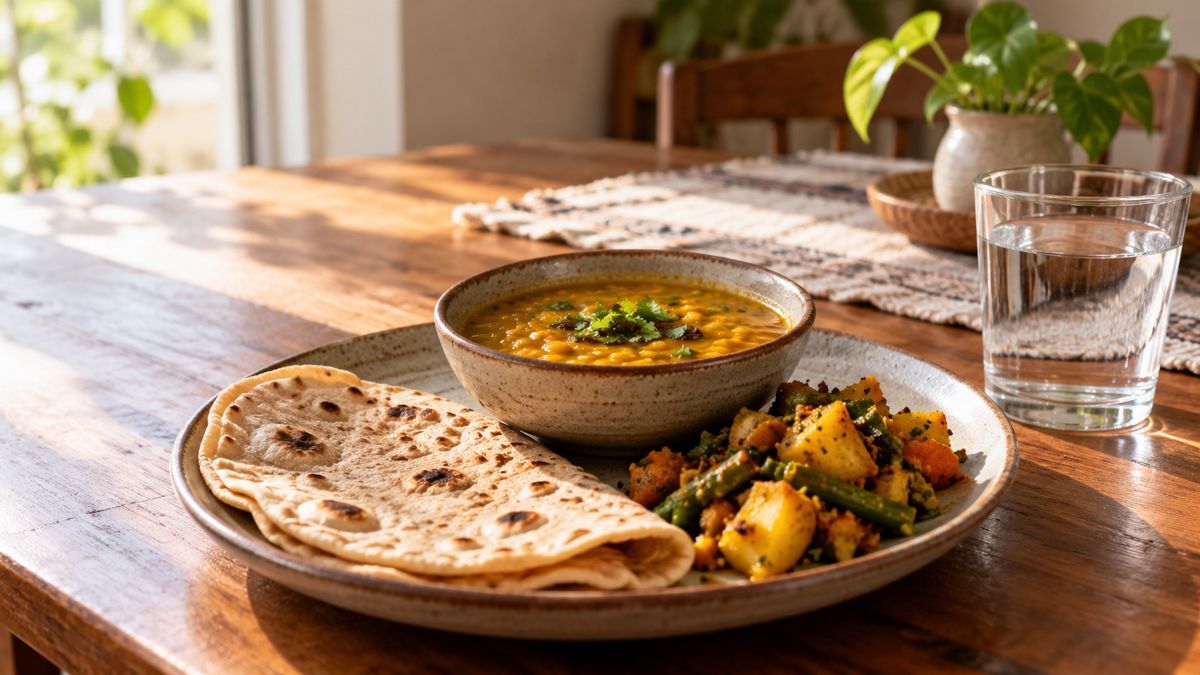
Plate of daal, roti and vegetables with a glass of water on a table

Desi diet plans

Desi PCOS recipes for everyday home cooking

Meal ideas built on food you already cook: roti, daal, sabzi, eggs and yoghurt. General guidance only, not a personal plan.

  • No special ingredients needed
  • Suitable for a shared family kitchen
  • General ideas, not a prescription

What makes a desi recipe suit PCOS?

There is no single PCOS recipe, and no single food that fixes PCOS by itself. What helps many women is the shape of the meal: some protein, some fibre, a sensible portion of roti or rice, and vegetables on the plate. Meals like this tend to keep energy steadier through the day, which is useful when insulin resistance is part of the picture.

The good news is that most Pakistani home food already fits this shape. You rarely need to cook separately from the family. Small changes to portions and timing usually matter more than switching to unfamiliar ingredients.

Breakfast and lunch ideas

These are examples of how a plate can be put together, not fixed recipes or a diet.

  • Breakfast: an omelette or boiled eggs with one roti and a little sabzi, or besan chilla with yoghurt, or daliya cooked with milk and a handful of nuts.
  • Mid-morning: a seasonal fruit with a few almonds, or plain lassi without sugar.
  • Lunch: daal or chana salan, a mixed sabzi, a salad of cucumber, tomato and onion, and one roti or a smaller portion of rice.

If you like paratha, many women keep it as an occasional meal rather than a daily one, and pair it with eggs or yoghurt so the meal has more protein.

Dinner ideas and a lighter chai

Dinner can follow the same pattern as lunch, usually a little lighter and finished earlier in the evening if that suits your routine.

  • Chicken, fish or paneer salan with a vegetable side and one roti.
  • Moong or masoor daal with sauteed spinach, bhindi or tori, and a small portion of rice.
  • Vegetable pulao made with plenty of vegetables, served with raita and a salad.

For chai, try less sugar, a smaller cup, and fewer cups a day. Sweetened soft drinks and packaged juices are an easy place to cut sugar without changing your meals.

Small habits in the kitchen help more than strict rules.

  • Cook with a moderate amount of oil and measure it with a spoon rather than pouring.
  • Make daal in larger batches so there is always a protein-rich option ready.
  • Add vegetables to things you already make, such as keema, daal and pulao.
  • Keep boiled eggs, roasted chana and plain yoghurt on hand for busy days.
  • Eat at regular times instead of skipping meals and then eating a very large one.

None of this requires cutting out roti or rice. A personal plan from the dietitian will depend on your history, your tests, any health conditions and what your family eats. For ideas on timing and portions, see PCOS-friendly Pakistani meals, or read about snacking with insulin resistance.

What this page is and is not

This page is general information and support for women who want ideas for home cooking. It is not a personal diet plan, a diagnosis or a replacement for an in-person examination.

If you have diabetes, kidney disease, are pregnant, or have ever had an eating disorder, please talk to your own doctor before changing how you eat. If you want a plan built around your reports and your family food, you can see how consultations work or send a message on WhatsApp.

  • Female dietitian
  • Private and confidential
  • Home-food meal plans
  • Report-based advice

How it works

  1. Step 1

    Share a few details

    Fill in the short form or message us on WhatsApp.

  2. Step 2

    Consultation

    Sadia reviews your history and any reports with you.

  3. Step 3

    Your plan

    You get a personal diet and lifestyle plan and follow-up.

Request a consultation

Share a few details and the dietitian's desk will message you on WhatsApp.

No obligation.

Include the country code, for example +1, +44 or +92. We reply to you on WhatsApp.

Questions about best pcos doctor in Pakistan

Do I have to stop eating roti and rice?

No. Most women do not need to remove roti or rice. What often helps is a balanced portion, eaten with daal, vegetables, eggs, meat or yoghurt, instead of a large plate of carbohydrate on its own. The right amount differs from one woman to another, which is something a personal plan can look at.

Can I use these meal ideas as a diet plan?

They are general ideas for everyday cooking and not a diet plan. A plan that suits you depends on your age, history, blood tests, other health conditions and the food your family cooks. Use these examples as a starting point for conversation, and ask a doctor before making big changes.

What about cinnamon, methi or other spices?

You will often hear that cinnamon, fenugreek or turmeric help with PCOS. Evidence for these is limited or mixed. They are fine as part of normal cooking, but they are food choices, not medicine. If you take medicines for diabetes or any other condition, ask your doctor before using them in larger amounts.

Is this suitable if I have diabetes or I am pregnant?

Not without advice from your own doctor. Diabetes, kidney disease and pregnancy all change what is safe to eat and how much. The same applies if you have ever had an eating disorder. Please speak to your doctor first, and do not change any medicine because of what you read on a website.

Can these meals make my periods regular?

No one can promise that. Regular meals, activity, sleep and managing stress can help many women with weight, cycles and symptoms, but results differ for every woman. If your periods are irregular, it is worth speaking to a doctor and getting the right tests done.

Ready to talk to the dietitian?

Fill in the short form or message us on WhatsApp and we will arrange a private consultation.

Chat on WhatsApp