
Skip to content

Female dietitianPrivate and confidential

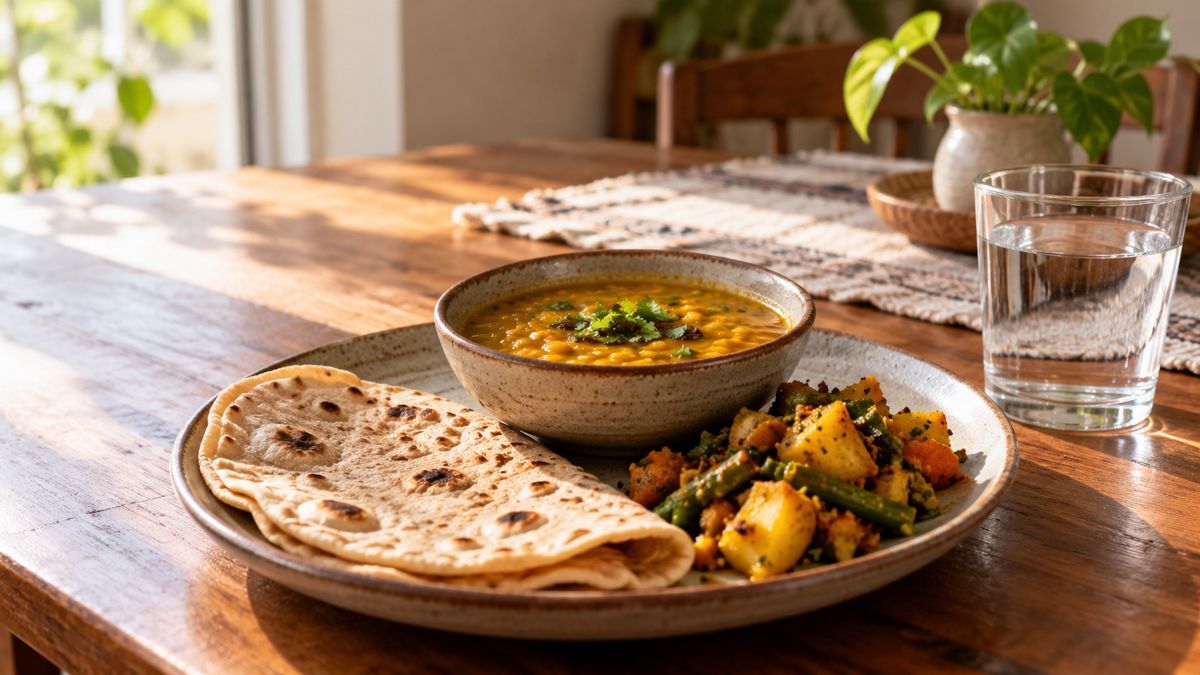
Plate of daal, roti and vegetables with a glass of water on a table

Desi diet plans

Healthy snacks for insulin resistance, the desi way

Snack choices that fit a Pakistani home and help you feel steadier between meals. General guidance, not a personal plan or medical advice.

  • Simple snacks from your own kitchen
  • Protein and fibre in every snack
  • No strict rules and no starving

Why snacks matter with insulin resistance

Many women with PCOS also have some degree of insulin resistance, which means the body may need more insulin to handle sugar and starch. Doctors often suggest paying attention to how and when we eat. Long gaps followed by a sugary snack, such as a biscuit with chai, can leave you tired and hungry again soon after.

A planned snack can help you avoid that cycle. The aim is not to eat less. It is to choose snacks that keep you comfortable until your next meal, without leaving you starving by evening.

A simple way to build a snack

A useful habit is to pair something with protein or fibre, so the snack is more than sugar or flour alone.

  • Roasted chana or a small handful of mixed nuts.
  • Plain yoghurt or raita with cucumber, with or without a few seeds.
  • A boiled egg with a pinch of salt and pepper.
  • An apple, guava, pear or orange with a few almonds.
  • Sliced cucumber, carrot or tomato with a spoon of hummus or yoghurt dip.
  • Chana chaat made with boiled chickpeas, onion, tomato and lemon.

A small portion is usually enough. Nuts and seeds are good choices but they are energy-dense, so a handful is more helpful than a large bowl.

Everyday swaps that are easy to keep

You do not need to give up things you enjoy. Some small swaps can help.

  • Choose a smaller portion of sweets and have them after a meal rather than on an empty stomach.
  • Swap sugary drinks, packaged juices and energy drinks for water, plain lassi or lemon water without sugar.
  • Try chai with less sugar, and gradually reduce it over a few weeks.
  • Choose roasted or baked snacks more often than deep-fried ones such as samosas and pakoras, and enjoy those as occasional treats.
  • Keep fruit and nuts where you can see them, and biscuits and chips out of arm's reach.

Skipping meals and then snacking heavily late at night is a common pattern. Regular meals with a planned snack in between can make that easier to avoid.

Snacking looks different during Ramadan, long workdays or travel. At iftar and sehri, many women do better when the meal includes protein, fibre and plenty of water rather than only sweets and fried food. On busy days, plain yoghurt, boiled eggs, nuts and fruit are easy to carry or keep at your desk.

If you take medicines for diabetes or any other condition, please speak to your own doctor before fasting or changing meal timing. A personal plan from Sadia depends on your history, your tests, your health conditions and your family food. You can read more in Desi PCOS recipes.

What this page is and is not

This page is general information and support. It is not a diagnosis, a personal diet plan or a replacement for an in-person examination. Anyone with diabetes, kidney disease, pregnancy or a history of eating disorders must discuss changes to their eating with a doctor first.

If you would like a plan that fits your own reports and routine, you can read about consultations or message the dietitian's desk on WhatsApp.

  • Female dietitian
  • Private and confidential
  • Home-food meal plans
  • Report-based advice

How it works

  1. Step 1

    Share a few details

    Fill in the short form or message us on WhatsApp.

  2. Step 2

    Consultation

    Sadia reviews your history and any reports with you.

  3. Step 3

    Your plan

    You get a personal diet and lifestyle plan and follow-up.

Request a consultation

Share a few details and the dietitian's desk will message you on WhatsApp.

No obligation.

Include the country code, for example +1, +44 or +92. We reply to you on WhatsApp.

Questions about best pcos doctor in Pakistan

How many snacks should I eat in a day?

There is no single right number. Some women feel better with one planned snack between meals, and others do not need any. What matters more is eating regular meals and not going very long without food. If you are unsure, a personal plan can look at your routine, your work hours and your hunger patterns.

Are fruits safe if I have insulin resistance?

Whole fruit is a normal part of most diets, and it contains fibre. Many women do well with one portion at a time, paired with nuts or yoghurt. Fruit juice is different because it has less fibre and more sugar per glass. If you have diabetes, ask your own doctor how fruit fits your plan.

Can I still have chai and biscuits?

Yes, in a way that suits you. Many women reduce the sugar in chai slowly and have biscuits less often, or alongside nuts or an egg so the snack has some protein. Nothing needs to be banned. Small, steady changes are easier to keep than strict rules.

Will healthy snacks help me lose weight?

They can help some women feel less hungry and make steadier food choices, which may support weight changes alongside activity, sleep and stress management. Results differ for every woman and nothing can be promised. Weight is only one part of PCOS, and your cycles, energy and symptoms also matter.

Which snacks should I avoid with kidney disease or diabetes?

That depends on your condition, your tests and your medicines, so it needs advice from your own doctor. Nuts, dairy and fruit can be a problem in some cases of kidney disease, and diabetes needs individual guidance on carbohydrates. Please do not change any medicine or diet plan because of a website.

Ready to talk to the dietitian?

Fill in the short form or message us on WhatsApp and we will arrange a private consultation.

Chat on WhatsApp