
Skip to content

Female dietitianPrivate and confidential

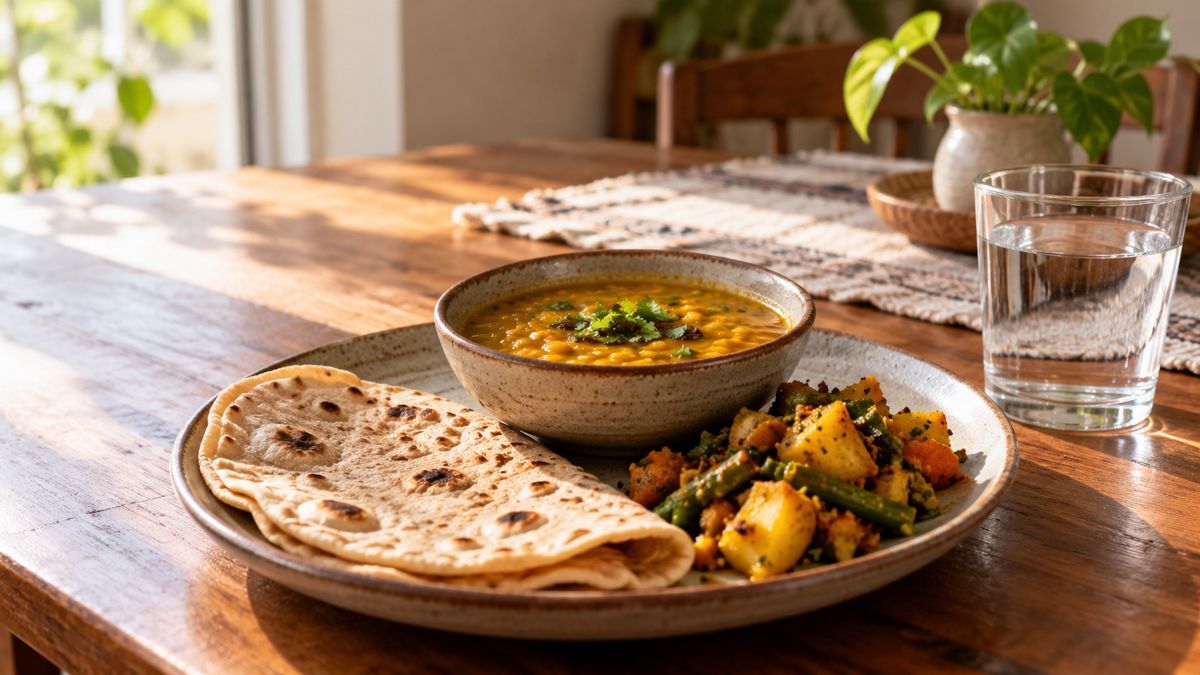
Plate of daal, roti and vegetables with a glass of water on a table

Irregular periods support

Irregular periods with PCOS: a private, respectful place to start

Delayed, missed or unpredictable cycles can feel worrying. Talk privately with a female dietitian about your history, your reports and the daily habits that can support your cycle.

  • Private care for married and unmarried women
  • Cycle tracking and simple lifestyle steps
  • Reports reviewed where relevant

Why are periods irregular with PCOS?

In PCOS the hormones that control ovulation can be out of step, so periods may come late, come rarely or stop for months. Insulin resistance and higher levels of male-type hormones are often part of the picture. Irregular periods also have other causes, such as thyroid problems, stress, big weight changes or other medical conditions.

That is why a cycle that is off should be looked at properly. This page cannot tell you what is causing yours, and we do not diagnose over the internet.

What can diet and lifestyle support?

Many women notice that steadier habits help their cycles, although this differs for every woman and cannot be promised. The usual starting points are:

  • Regular meals with protein and fibre, and fewer sugary drinks and sweets.
  • Movement you can keep up, such as a daily walk, rather than sudden hard exercise.
  • A regular sleep routine, and small ways to lower daily stress.
  • Writing down the first day of each period so patterns become visible.

What happens in a consultation?

Dietitian Sadia Ahmad, who has an MPhil in Human Nutrition and Dietetics, will ask about your cycle history, symptoms, routine and family food. The consultation is by video, audio call or WhatsApp and is confidential. She may ask to review recent tests and a pelvic ultrasound where relevant, for example thyroid tests, fasting insulin, HbA1c and DHEA-S.

You then receive a diet and lifestyle plan built around your home food, with follow-up on WhatsApp. If your cycle needs an examination, a gynaecologist is the right person to see in person. See pricing for fees.

Some women are prescribed birth control pills to regulate periods. Whether to start, continue or stop them is a decision for your treating doctor, and we will never ask you to change them. Lifestyle support can sit alongside what your doctor has advised, and you can tell us what you are taking.

If you want to check which symptoms to mention to a doctor, use the symptom checklist.

What this program is and is not

This page is information and support. It is not a diagnosis and it does not replace an in-person examination, your own doctor's advice or your tests. Any decision about medicines, including metformin, insulin or birth control pills, belongs to the doctor who is treating you.

When to see a doctor in person: very heavy or prolonged bleeding, severe pelvic pain, signs of pregnancy complications, fainting, or feeling very unwell need a doctor or emergency care in person, not a message on WhatsApp.

  • Female dietitian
  • Private and confidential
  • Home-food meal plans
  • Report-based advice

How it works

  1. Step 1

    Share a few details

    Fill in the short form or message us on WhatsApp.

  2. Step 2

    Consultation

    Sadia reviews your history and any reports with you.

  3. Step 3

    Your plan

    You get a personal diet and lifestyle plan and follow-up.

Request a consultation

Share a few details and the dietitian's desk will message you on WhatsApp.

No obligation.

Include the country code, for example +1, +44 or +92. We reply to you on WhatsApp.

Questions about best pcos doctor in Pakistan

How late is a period before I should see a doctor?

Cycles vary, but if your periods are often more than about 35 days apart, have stopped for several months, or you could be pregnant, please see a doctor in person. A missed period is not always PCOS, and a test or examination may be needed first.

Can unmarried women use this service?

Yes. Consultations are private and respectful, and no one is asked about marriage plans or judged for them. Many women contact us about cycles while studying or working. You decide what to share, and the form only asks for basic details.

Will my periods become regular?

We cannot promise that. Diet, activity, sleep and stress changes can help many women with their cycles, but results differ for every woman and some need medical care as well. PCOS is a long-term condition that is managed, not switched off.

Should I stop my birth control pill to see my natural cycle?

Please do not stop or start any pill without speaking to the doctor who prescribed it. That decision depends on your health, your reasons for taking it and your plans. We can support your diet and routine while you follow your doctor's advice.

What should I bring to the consultation?

Bring a note of your last few period dates, a list of medicines and supplements, any recent blood tests or ultrasound reports, and your questions. If you have no reports, you can still book, and the dietitian will tell you which tests, if any, are worth discussing with your own doctor.

Ready to talk to the dietitian?

Fill in the short form or message us on WhatsApp and we will arrange a private consultation.

Chat on WhatsApp