Skip to content

Female dietitianPrivate and confidential

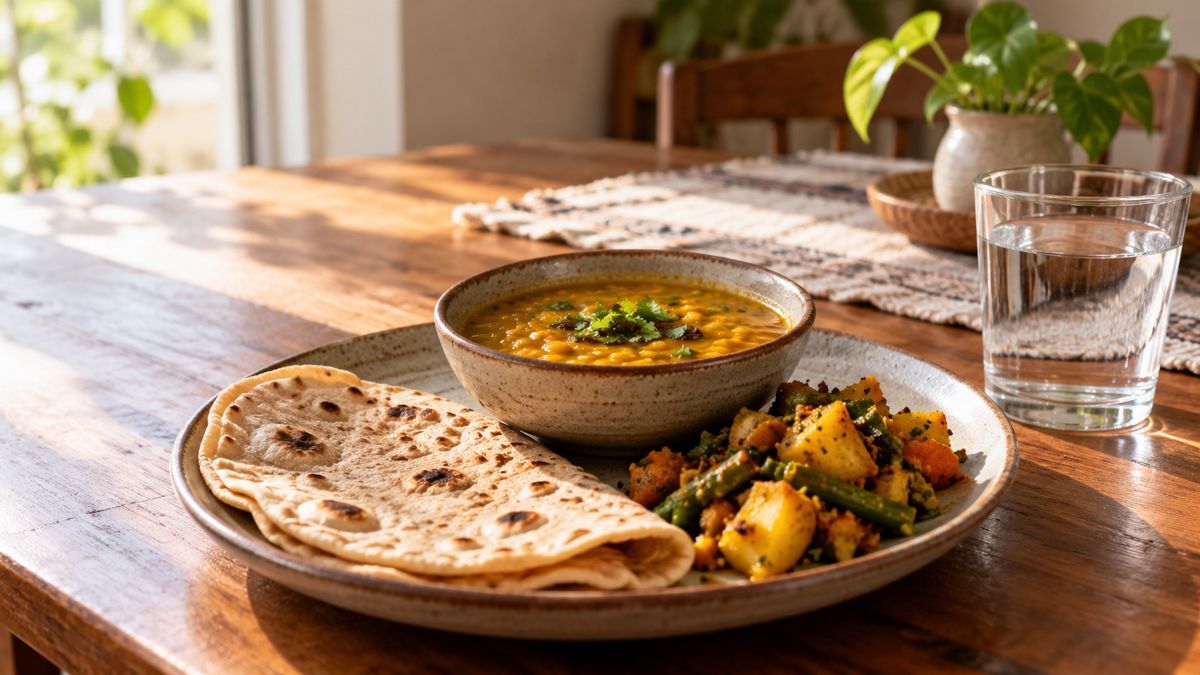
Plate of daal, roti and vegetables with a glass of water on a table

PCOS-friendly Pakistani meals

A PCOS diet plan with Pakistani meals: roti, salan and chai, balanced

General guidance for everyday home food. No exotic ingredients and no starvation. A personal plan from the dietitian depends on your history, tests and family food.

  • Built around daal, sabzi, roti and chai
  • No calorie counting or starvation
  • A personal plan comes from the consultation

What makes a Pakistani meal more balanced for PCOS?

Western plans with avocado and salmon rarely suit a Pakistani kitchen. The good news is that everyday food already has useful parts. A balanced plate usually has some protein, some fibre, a sensible portion of roti or rice, and not too much sweet or fried food.

Regular meal times matter too. Long gaps followed by a very large meal can leave you hungry, tired and craving sweets later in the day.

How can you build breakfast, lunch and dinner?

These are general ideas, not a prescription:

  • Breakfast: eggs or daal with one roti, or yoghurt with nuts, instead of only paratha and sweet chai.
  • Lunch: a smaller portion of rice or one roti, with daal or chana, a vegetable salan and salad.
  • Dinner: an early, lighter meal with sabzi, protein such as chicken, fish, eggs or daal, and one roti.
  • Between meals: a handful of nuts, fruit, roasted chana or plain lassi without sugar.

For more ideas see Desi PCOS meal ideas and snacking with insulin resistance.

What about chai, sweets and fried food?

You do not have to give up chai. Many women find it easier to keep one or two cups with less sugar than to stop completely. Sugary drinks, packaged juices, mithai and deep-fried snacks are better kept for occasions than for every day. Small, steady changes are easier to keep up than strict rules, and they do not leave you feeling punished at family gatherings.

General guidance cannot see your tests, your medicines or your health conditions. In a consultation, Dietitian Sadia Ahmad, who has an MPhil in Human Nutrition and Dietetics, builds a plan around your history, any reports you share and the food your family cooks, with WhatsApp follow-up. See pricing.

Anyone with diabetes, kidney disease, pregnancy or an eating disorder history must discuss food changes with a doctor first.

What this plan is and is not

This page is information and support. It is not a diagnosis and it does not replace an in-person examination, your own doctor's advice or your tests. Any decision about medicines, including metformin, insulin or birth control pills, belongs to the doctor who is treating you.

  • Female dietitian
  • Private and confidential
  • Home-food meal plans
  • Report-based advice

How it works

  1. Step 1

    Share a few details

    Fill in the short form or message us on WhatsApp.

  2. Step 2

    Consultation

    Sadia reviews your history and any reports with you.

  3. Step 3

    Your plan

    You get a personal diet and lifestyle plan and follow-up.

Request a consultation

Share a few details and the dietitian's desk will message you on WhatsApp.

No obligation.

Include the country code, for example +1, +44 or +92. We reply to you on WhatsApp.

Questions about best pcos doctor in Pakistan

Can I eat rice and roti with PCOS?

Yes, for most women. The question is usually how much and what they are eaten with. A moderate portion next to daal, vegetables or eggs makes a more balanced plate than a large portion on its own. Your own plan depends on your tests and health.

Is desi ghee allowed?

Small amounts are part of many Pakistani kitchens. How much is suitable depends on your lipid profile, weight and other health conditions, so it is a good question for your own consultation. If you have a heart or cholesterol condition, please do not make big changes on your own and ask your treating doctor.

Do you give calorie numbers?

No. We do not use calorie counting or starvation. The focus is on regular meals, balanced portions and food your family can actually cook, which is easier to keep up over months. Your plan is written around your own history, tests and routine, not a number.

Does this guidance suit someone with diabetes?

Not automatically. If you have diabetes, kidney disease, are pregnant or have a history of an eating disorder, please speak to your doctor before changing your diet. Medicine and food often need to be adjusted together, and that decision belongs to the doctor who treats you.

Can cinnamon or fenugreek tea replace my medicine?

No. Evidence for these is limited or mixed, and they are food choices, not medicine. Never stop or reduce a prescribed medicine because of a herb or a home remedy, whatever you have read or been told. If you take medicines for diabetes or another condition, ask your doctor first.

Ready to talk to the dietitian?

Fill in the short form or message us on WhatsApp and we will arrange a private consultation.

Chat on WhatsApp